
Studio or In-Home Newborn Photography? A Guide for Parents
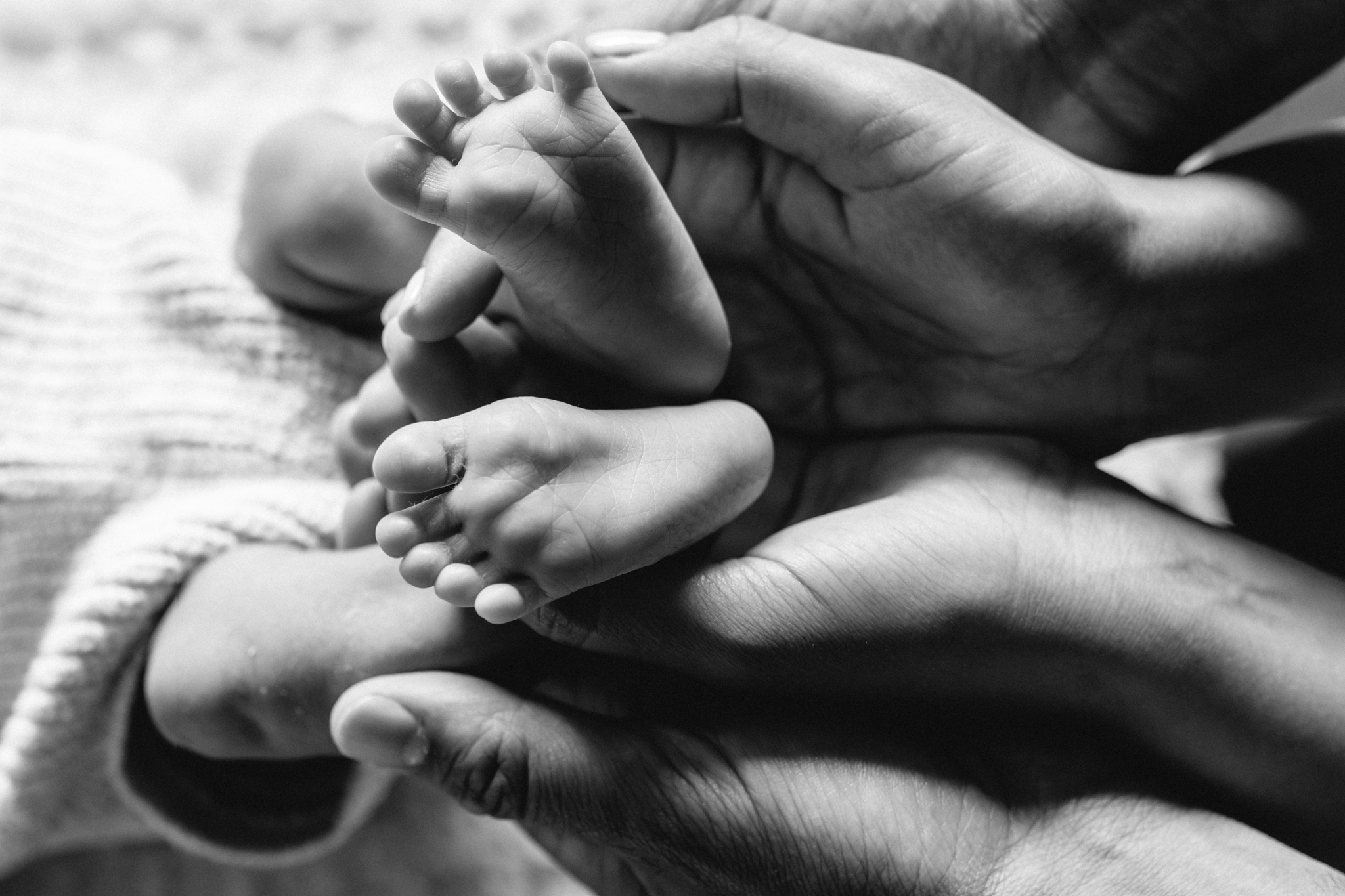
The first weeks with a new baby are tender, tiring, and slightly unreal. One minute you are studying every eyelash. The next, you are wondering how it can possibly be 3 a.m. again. Planning a photography session in the middle of that can feel like one more decision when your brain is already full.
The good news is that there is no single correct setting. Both a studio and your own home can hold the tiny details, new connection, and beautiful awkwardness of becoming a family. For parents who want calm planning and a baby-led pace, newborn sessions can take place in either setting, with time for feeding, changing, soothing, and starting again. The real choice is not about which option looks more professional. It is about where your family will feel most comfortable and what you want the finished photographs to remember.
The real difference is how you want the day to feel
A studio session usually feels like stepping away from the house for a few hours. The light, background, and temperature can be prepared before you arrive. An in-home session feels more like inviting someone into the beginning you are already living. The nursery, couch, bedroom window, and family routines become part of the story.
Neither approach is automatically more natural. Natural photographs come from the way a session is handled, not from the address. A careful photographer will make room for pauses, follow the baby's cues, and guide parents without forcing a performance. If you are comparing options, picture the whole morning rather than only the final gallery. Would leaving home feel refreshing, or exhausting? Would staying home help you settle, or make you notice every unfolded blanket in the room? Your honest answer is useful.
What a studio newborn session does especially well
A studio offers consistency. Controlled light is helpful on dark Vancouver mornings, especially during the rainy months when a bright window cannot be guaranteed. The background can be kept simple, which places attention on the baby, the parents, and all those small physical details that change almost immediately.
Studios also make it easier to create a polished visual style. If you love soft neutrals, clean compositions, and photographs that will sit quietly together in an album, this may be your preference. You do not have to think about moving furniture, clearing a bedside table, or finding the best light in your home. You arrive with the baby and the essentials, then let the photographer manage the environment.
There is a practical tradeoff, of course. Getting everyone dressed and out the door can take longer than expected. Newborns have a talent for needing a fresh outfit five minutes after you put on the first one. A studio session works best when the schedule is generous and nobody treats the start time like the gate is closing at an airport.
Why an in-home newborn session can feel deeply personal
Home is where the first days actually happen. It is where you learned the sound your baby makes before waking, where grandparents dropped off food, and where the nursery still looks almost too new to be real. Including that environment can give the photographs a kind of meaning that grows over time.
An in-home session is also convenient in a very human way. Feeding supplies are nearby. There is no packing list that ends up being twice as long as expected. If an older sibling needs a snack or a few minutes with a favourite toy, their normal world is right there. Parents can move at a slower pace, which often shows in their faces and body language.
The home does not need to be magazine ready. Truly. Most sessions use one or two areas with good light, often near a bedroom or living-room window. A photographer can shift a small table, simplify the bedding, or frame the scene so ordinary household clutter disappears. The goal is to preserve your home as it felt, not conduct an inspection of it.
Think about who will be included
If the session is only for the baby and parents, both settings are straightforward. When siblings or pets are involved, the answer becomes more personal. Some children relax quickly at home because they can take breaks and rejoin when they are ready. Others become distracted by every toy they own and do better in the novelty of a studio.
Ask how your older child usually handles new places, waiting, and changes in attention. A three-year-old is not going to admire a carefully built shot list. They may give you seven wonderful minutes and then decide the important event of the day is finding a cracker. That is fine. A flexible session plans family photographs early, then lets siblings step away instead of demanding perfect behaviour for two hours.
Lighting, clutter, and the myth of the perfect home
Parents sometimes dismiss an in-home session because their home is small or faces the wrong direction. Space matters less than people imagine. A single clear patch beside a window may be enough for close portraits, parent-and-baby photographs, and quiet details. What matters is the quality of light at the planned time, not the square footage listed on a real estate page.
Send your photographer a few casual phone pictures of the rooms during daylight. Do not clean first. Those images help identify the best window and whether a studio would genuinely be easier. If the home is very dark, or if you want a bright and minimal look that the space cannot provide, a studio may save everyone frustration. This is a creative decision, not a verdict on your home.
Timing matters, but not as rigidly as people think
Many families reserve newborn photography during pregnancy, then confirm the exact date after the baby arrives. Sessions often happen in the first two or three weeks because babies are still very small and sleepy. Still, there is no magical day when meaningful photographs suddenly stop being possible.
An alert baby looking toward a parent can be just as moving as a sleeping portrait. A slightly older newborn may stretch more, make eye contact, or show the beginnings of a familiar expression. If recovery takes longer, feeding needs your full attention, or life simply gets away from you, speak honestly with the photographer. The session should adapt to the family, not make the family feel late.
A simple way to make the final choice
Choose the studio if you want a controlled setting, a clean visual style, dependable light, and a little distance from the unfinished chores at home. Choose an in-home session if familiar surroundings will help you relax, you want the nursery or daily environment in the story, or leaving the house feels like too much in those first weeks.
If you are still split, decide based on comfort rather than appearance. Beautiful newborn photography is built from patience, light, and connection. The tiny hand wrapped around your finger will matter far more in ten years than whether the wall behind it belonged to a studio or your first apartment.
Final thoughts
The best setting is the one that lets you be present. Your baby does not need to sleep on command, your older child does not need flawless manners, and you do not need to look as if you have had eight uninterrupted hours of sleep. You only need enough space to slow down and notice what is already there.
A studio can give the beginning a simple, timeless frame. Home can preserve the beginning inside the place where it unfolded. Both can be honest. Pick the version that sounds kinder to the family you are right now, then let the little moments lead the rest.